


Online Digital Authority
- Creating Members
- Parliamentary Meeting
- Tokenized Acts of Sales
- Security Agreements
- Digital Trust Services
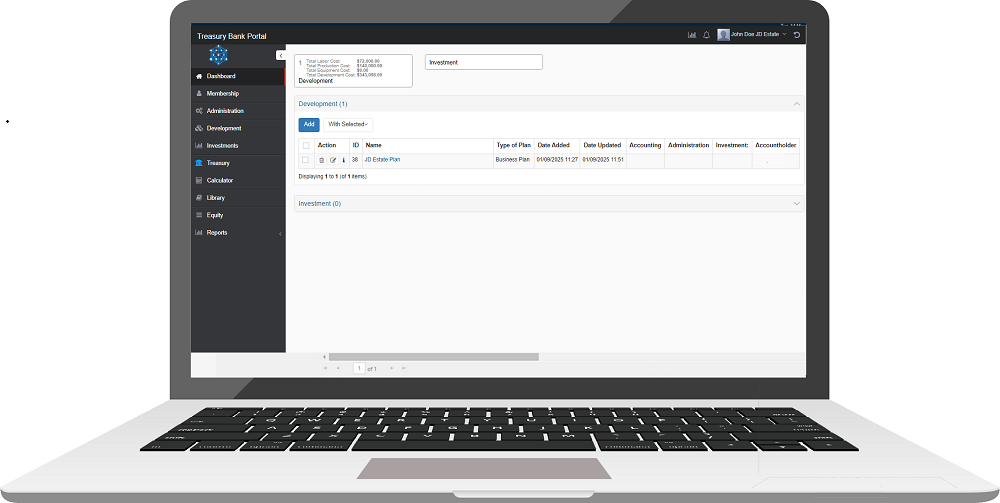

Contracts Initiation
Activities include creating new digital contracts, negotiating on terms, securing approvals, executing agreements, monitoring contract performance and ensuring ongoing compliance.
Smart Contracts
Electronic protocols and programs that automatically execute, control, or document legally relevant events and actions according to the terms of a contract or an agreement with Modern AI tools the following:
- Transparency: All steps are recorded on within HSC Treasury Bank, and accessible to authorized parties.
- Efficiency: Automates manual tasks, reducing transaction time and paperwork
- Security: data is encrypted and held securely in custody until conditions are met to minimizing fraud risk.
- Trust: Eliminates the need for intermediaries, reducing potential disputes
Contract Participants:
- Seller: Owns the asset and sets the terms;
- Buyer: Offers to purchase the asset based on the terms
- Escrow: Holds the buyer’s funds securely
- Title Registry: Holds and updates the official ownership record
Contract terms:
- Purchase price: Agreed-upon value of the asset
- Contingencies: Conditions to be met before sale finalizes (e.g., inspections, approvals)
- Deadlines: Timeframes for each action
- Transfer of ownership: Triggered upon fulfilling all conditions.
Managing the Agreement
- Creating, designing, and managing contracts
- Keep track of your contracts at every stage in the program.
- Assuring consideration of all parties
The most common methods:
- Firm Commitment – agreed-upon price
- Best Efforts sell at the agreed-upon price
- All-or-None sell the entire offering or to cancel
Type of Contract Agreements
- Service Agreements
- Act of Sale
- Letters of Credit
- Security Agreements and Bonds
- Business Certification and Planning Documents
- Estate and Trust Agreements
- Transfer Documents
- Government Contracts
- and More
Signing
- Pre-signature activities – creating the contract to signing on the dotted line.
- Post-signature activities occur after the contract is signed and continue until it’s either renewed or terminated.
| Service | Description |
| Creation | After you get a verbal agreement, it is put in writing, physically and digitally with careful attention to personalization of details for each agreement. |
| Negotiation, Planning and Collaboration | Once all parties have signed, the contract is securely stored in the HSC’s Treasury Bank. This ensures that only approved and vetted parties have access to the contract and can retrieve what is needed as needed. |
| Review and Approval | tracking internal approvals and status, and measuring turnarounds between managers, officers, and other stakeholders. Separate approvals (internal sign-offs) from signing (physically putting your name down on the dotted line) |
| Administration and Execution | Ongoing contract management after agreements and programs are fulfilled up until the contract ends with the option or desire to renew; with an easy-to-access custody that makes documents easy to receive and user friendly. |
| Management and Renewal | Negotiation, Planning, and Collaboration |
| Reporting and Tracking | PDFs and images are stored to make your contracts easily searchable for regulatory body reporting that presents information for a specific financial verification and certification of events dealing with equity acquired and transferred |
Administrative Fees
Administrative fees are charged by HSC agents for overseeing and facilitating contracting, underwriting. These fees cover preparation of legal documents, conducting title searches, and ensuring that all necessary paperwork is completed correctly.
What Do Processing Fees Cover?
- Title Search: The fee for searching public records to ensure the property title is clear of any liens or encumbrances.
- Document Preparation: Costs associated with preparing business legal documents, such as the state registration bonds and guarantor signature etc.
- Notary Fees: Charges for notarizing documents involved in the transaction.
- Recording Fees: Fees for recording the new bond with the local government.

Learn More Details About HSC Community Investment Authority